Apache Tomcat vs. DataKitchen DataOps Platform

Overview
ProductRatingMost Used ByProduct SummaryStarting Price
Apache Tomcat
Score 7.8 out of 10
N/A
Tomcat is an open-source web server supported by Apache.N/A
DataKitchen DataOps Platform
Score 0.0 out of 10
N/A
The DataKitchen DataOps Platform aims to automate key functions of data development & production workflows so data teams can collaborate, quickly innovate & deliver error-free, on-demand insight. Tool-Agnostic DataOps Platform supports an array of native tooling integrations & flexible methods for integrating new tools as they come available. Meta-Orchestration Meta-orchestrates all the steps in production & development…N/A
Pricing
Apache TomcatDataKitchen DataOps Platform
Editions & Modules
No answers on this topic
Offerings
Pricing Offerings
Apache TomcatDataKitchen DataOps Platform
Free Trial
NoNo
Free/Freemium Version
NoNo
Premium Consulting/Integration Services
NoNo
Entry-level Setup FeeNo setup feeNo setup fee
Additional Details
More Pricing Information
Community Pulse
Apache TomcatDataKitchen DataOps Platform
Features
Apache TomcatDataKitchen DataOps Platform
Application Servers
Comparison of Application Servers features of Product A and Product B
Apache Tomcat
9.2
Ratings
15% above category average
DataKitchen DataOps Platform
-
Ratings
IDE support10.00 Ratings00 Ratings
Security management9.00 Ratings00 Ratings
Administration and management8.20 Ratings00 Ratings
Application server performance8.10 Ratings00 Ratings
Installation10.00 Ratings00 Ratings
Open-source standards compliance10.00 Ratings00 Ratings
Best Alternatives
Apache TomcatDataKitchen DataOps Platform
Small Businesses
NGINX
NGINX
Score 9.2 out of 10
GitLab
GitLab
Score 8.7 out of 10
Medium-sized Companies
NGINX
NGINX
Score 9.2 out of 10
GitLab
GitLab
Score 8.7 out of 10
Enterprises
NGINX
NGINX
Score 9.2 out of 10
GitLab
GitLab
Score 8.7 out of 10
All AlternativesView all alternativesView all alternatives
User Ratings
Apache TomcatDataKitchen DataOps Platform
Likelihood to Recommend
9.0
(0 ratings)
-
(0 ratings)
Likelihood to Renew
10.0
(0 ratings)
-
(0 ratings)
Usability
8.0
(0 ratings)
-
(0 ratings)
Availability
6.0
(0 ratings)
-
(0 ratings)
Performance
9.0
(0 ratings)
-
(0 ratings)
Support Rating
9.1
(0 ratings)
-
(0 ratings)
Configurability
8.0
(0 ratings)
-
(0 ratings)
Ease of integration
9.0
(0 ratings)
-
(0 ratings)
Product Scalability
9.0
(0 ratings)
-
(0 ratings)
User Testimonials
Apache TomcatDataKitchen DataOps Platform
Likelihood to Recommend
Tomcat is more than enough to deploy most of the mid-end web applications without any problem but for the high-end applications which require high scalability and high availability, which might need some tune-ups with the support of expertise in this regard. Otherwise, you may realize numerous performance issues, memory leaks, server crashes etc.
Read full review
No answers on this topic
Pros
  • Fast to start up, which is useful when we need to just check that our changes are working correctly.
  • Free, which allows us to not be involved with the finance/legal team about using it.
  • Bundled with Spring Boot, which makes it even more convenient for our testing.
Read full review
No answers on this topic
Cons
  • tomcat is just part of the J2EE specification implementation, majorly focusing on the servlet (front-end) part. If you requires the full J2ee stack, like EJB support, you need consider other containers like Weblogic
  • tomcat's cluster level support is very limited
  • tomcat's admin/configuration is not so intuitive, and default logging needs a lot of improvement
Read full review
No answers on this topic
Likelihood to Renew
We have a huge knowledge of the product within our company and we're satisfied with the performance.
Read full review
No answers on this topic
Usability
Tomcat has a very rich API set which allows us to implement our automation script to trigger the deployment, configure, stop and start Tomcat from the command line. In our projects, we embedded Tomcat in our Eclipse in all of the developer's machines so they could quickly verify their code with little effort, Azure Webapp has strong support for Tomcat so we could move our application to Azure cloud very easy. One drawback is Tomcat UI quite poorly features but we almost do not use it.
Read full review
No answers on this topic
Reliability and Availability
Tomcat doesn't have a built-in watchdog that ensures restart upon failure, so you have to provide it externally. A very good solution is java service wrapper. The community edition is able to restart Tomcat upon out of memories exceptions.
Read full review
No answers on this topic
Performance
Tomcat support to customize memory used and allow us to define the Connection pool and thread pool to increase system performance and availability, Tomcat server itself consume very little memory and almost no footprint. We use Tomcat in our production environment which has up to thousands of concurrent users and it is stable and provides a quick response.
Read full review
No answers on this topic
Support Rating
Well, in actuality, I have never needed support for Apache Tomcat since it is configured and ready-to-go with no configuration needed on my end.
Read full review
No answers on this topic
Alternatives Considered
Commercial application servers are available that support enterprise application needs, but many times this is overkill for most web applications running in the cloud, particularly for independent software vendors. The capabilities and management tools provided with these applications are superior to Tomcat, but most times unnecessary for the vast majority of web applications developed in Java.
Read full review
No answers on this topic
Scalability
It's very easy to add instances to an existing deployment and, using apache with mod proxy balancer, to scale up the serving farm
Read full review
No answers on this topic
Return on Investment
  • It has simplified administration efforts, thus saving much time to focus on other projects and issues.
  • It saves us in costs, as there are no licensing requirements.
  • It gives us the ability to manage all of our java applets in one place, so as to be able to host both development and production systems on one server.
Read full review
No answers on this topic
ScreenShots

DataKitchen DataOps Platform Screenshots
Screenshot of Meta-Orchestration
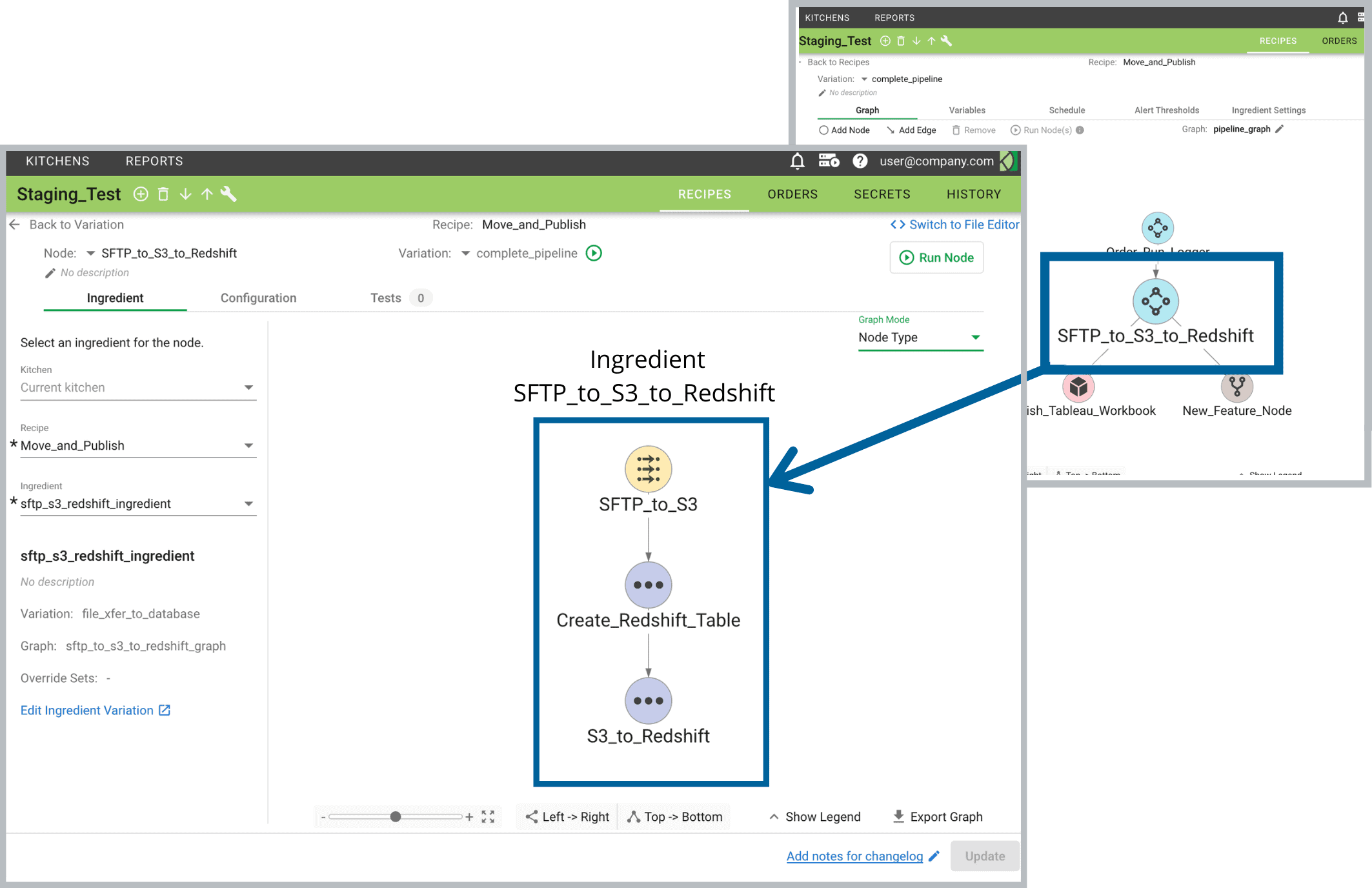
Data organizations may be hierarchical and siloed, but analytics production cuts across teams, locations, and environments. The DataKitchen Platform meta-orchestrates all the steps in your production and development pipelines (and even pipelines of pipelines), providing a coherent framework for inter-team collaboration that transcends heterogeneous toolchains and distributed data centers.Screenshot of Environment Creation & Management
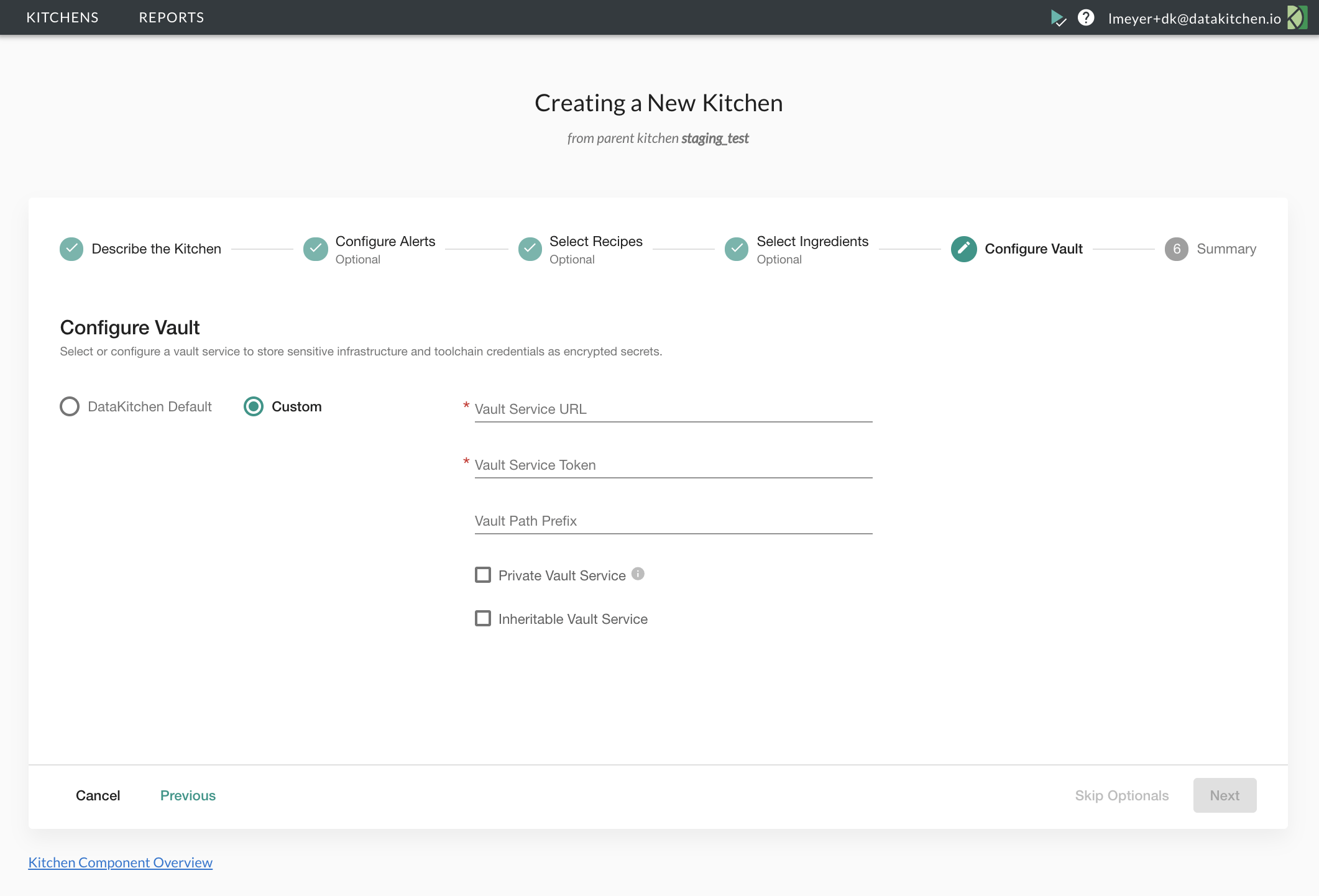
With the DataKitchen Platform, create Kitchen workspaces in minutes – not weeks or months – to provide developers with a controlled and secure space to work. Kitchens contain pre-configured tools, datasets, hardware, and tests – everything users need to create and innovate.  When new analytics are ready, Kitchens streamline an individual’s work into a team’s work and eventually into production by seamlessly merging to aligned environments.Screenshot of Continuous Deployment
Analytics can’t be agile with manual, error-prone, and time-consuming release processes. The DataKitchen Platform automates the end-to-end deployment process allowing analytics teams to test and release new analytics on-demand. Kitchens align and integrate toolchain environments so continuous deployment orchestrations can easily migrate analytics to production.Screenshot of Automated Testing & Monitoring
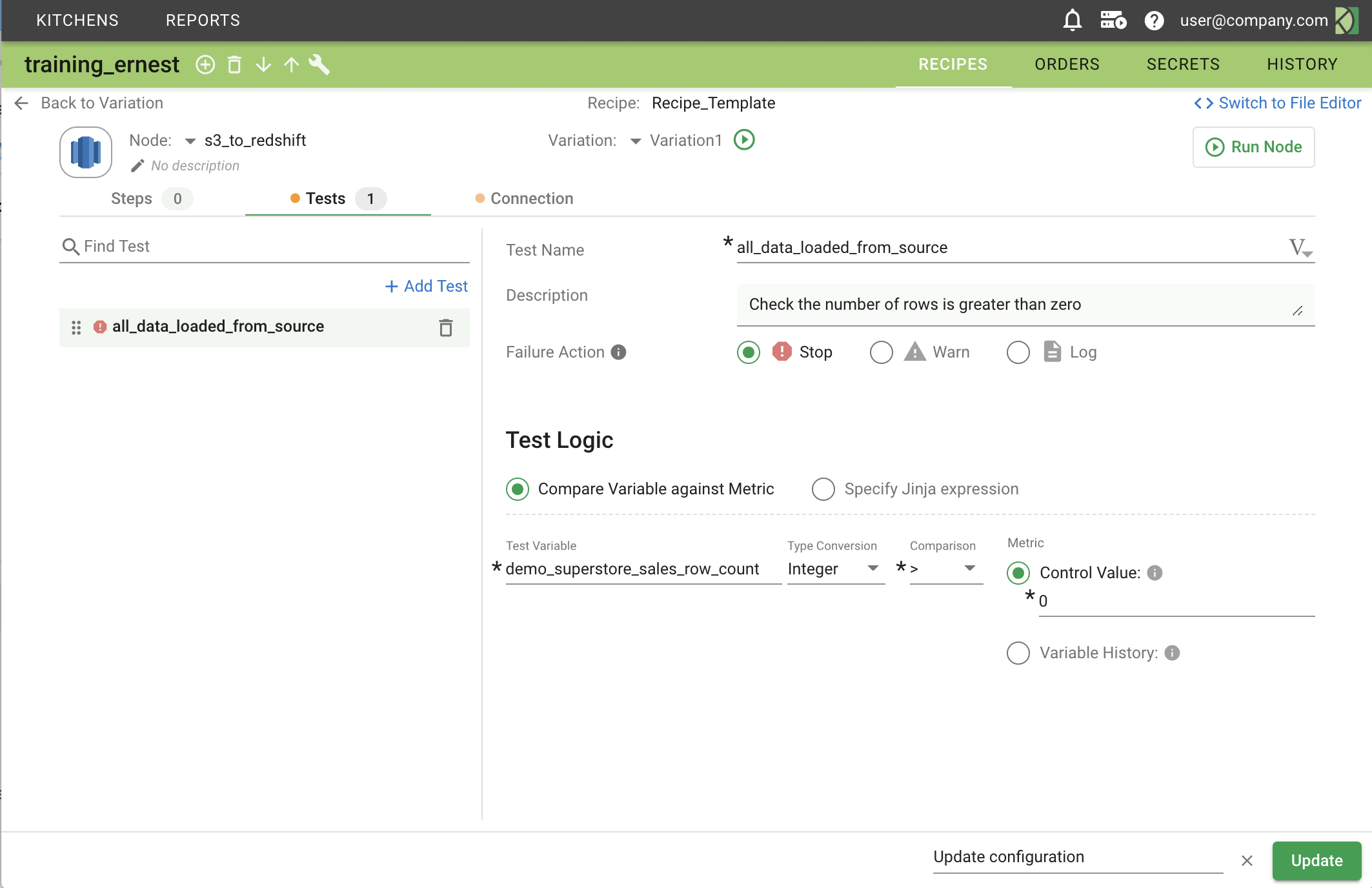
Automated testing and monitoring are foundational to DataOps. The Platform enables you to dramatically improve data quality by catching costly and embarrassing data errors early.  Embed automated tests at every step in your production and development pipelines. Use failures as an opportunity to add more tests and increase the reliability of your pipelines over time. Preset alerts to increase agility and reduce data downtime.Screenshot of Collaboration & Sharing
DataOps is a team effort, and the DataKitchen Platform fosters collaboration by providing a common place to work and a single view of the end-to-end analytic process.  Team members innovate and experiment in separate but aligned Kitchens, then integrate the collective work with confidence.  Teams can easily save and share commonly used parts of pipelines as Ingredients – a significant productivity multiplier.Screenshot of DataOps Process Analytics
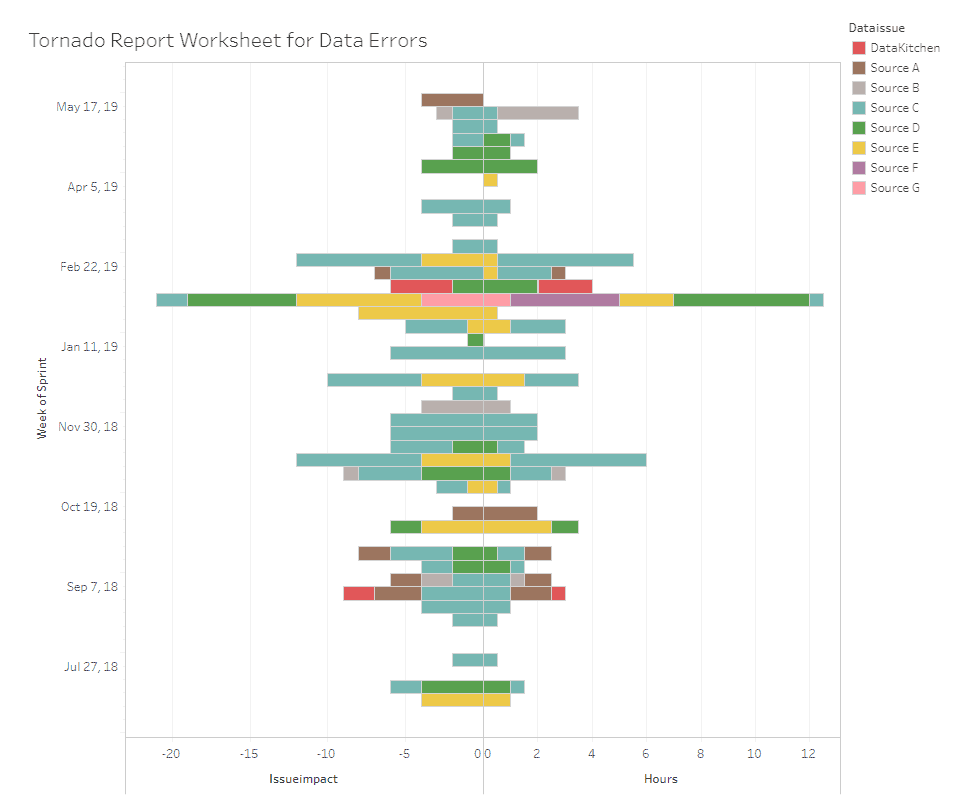
You can’t improve what you don’t measure. The DataKitchen Platform provides unprecedented visibility into the state of your data operations.  Process metrics show how your teams are increasing collaboration, improving productivity, expanding test coverage, reducing errors, speeding deployment cycle times, and consistently meeting deadlines.