
Amazon Web Services vs. Snowflake
| Product | Rating | Most Used By | Product Summary | Starting Price |
|---|---|---|---|---|
 Amazon Web Services | Score8.6 out of 10 | N/A | Amazon Web Services (AWS) is a subsidiary of Amazon that provides on-demand cloud computing services. With over 165 services offered, AWS services can provide users with a comprehensive suite of infrastructure and computing building blocks and tools. | $100 per month |
 Snowflake | Score8.9 out of 10 | N/A | The Snowflake Cloud Data Platform is the eponymous data warehouse with, from the company in San Mateo, a cloud and SQL based DW that aims to allow users to unify, integrate, analyze, and share previously siloed data in secure, governed, and compliant ways. With it, users can securely access the Data Cloud to share live data with customers and business partners, and connect with other organizations doing business as data consumers, data providers, and data service providers. | N/A |
| Amazon Web Services | Snowflake | |||||||||||||||
|---|---|---|---|---|---|---|---|---|---|---|---|---|---|---|---|---|
| Editions & Modules |
| No answers on this topic | ||||||||||||||
| Offerings |
| |||||||||||||||
| Entry-level Setup Fee | No setup fee | No setup fee | ||||||||||||||
| Additional Details | AWS allows a “save when you commit” option that offers lower prices when you sign up for a 1- or 3- year term that includes an AWS service or category of services. | — | ||||||||||||||
| More Pricing Information | ||||||||||||||||
| Amazon Web Services | Snowflake | |
|---|---|---|
| Considered Both Products | No answer on this topic | No answer on this topic |
| Key User Insights | ||
| Would buy again | ||
94% Would buy again 47 Answers | 100% Would buy again 29 Answers | |
| Delivers good value for the price | ||
92% Delivers good value for the price 44 Answers | 100% Delivers good value for the price 27 Answers | |
| Happy with the feature set | ||
96% Happy with the feature set 48 Answers | 100% Happy with the feature set 29 Answers | |
| Lived up to sales and marketing promises | ||
93% Lived up to sales and marketing promises 37 Answers | 96% Lived up to sales and marketing promises 22 Answers | |
| Implementation went as expected | ||
93% Implementation went as expected 39 Answers | 100% Implementation went as expected 24 Answers | |
| Amazon Web Services | Snowflake | |||||||||||||||||||||||||||||||
|---|---|---|---|---|---|---|---|---|---|---|---|---|---|---|---|---|---|---|---|---|---|---|---|---|---|---|---|---|---|---|---|---|
| Infrastructure-as-a-Service (IaaS) |
| |||||||||||||||||||||||||||||||
| Amazon Web Services | Snowflake | |
|---|---|---|
| Likelihood to Recommend | 9.0 | 9.2 |
| Likelihood to Renew | 9.4 | 10.0 |
| Usability | 8.4 | 9.3 |
| Availability | 9.0 | - |
| Support Rating | 7.2 | 9.9 |
| Online Training | 7.0 | - |
| Implementation Rating | 10.0 | - |
| Contract Terms and Pricing Model | - | 8.0 |
| Amazon Web Services | Snowflake | |
|---|---|---|
| Likelihood to Recommend |
| No answers on this topic |
| Pros | No answers on this topic |
|
| Cons |
| No answers on this topic |
| Likelihood to Renew |
| No answers on this topic |
| Usability | No answers on this topic | No answers on this topic |
| Reliability and Availability | No answers on this topic | No answers on this topic |
| Performance | No answers on this topic | No answers on this topic |
| Support Rating |
|
|
| Implementation Rating |
| No answers on this topic |
| Alternatives Considered |
|
|
| Return on Investment |
|
|
| ScreenShots | Snowflake Screenshots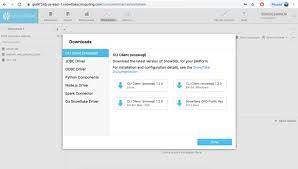 |





