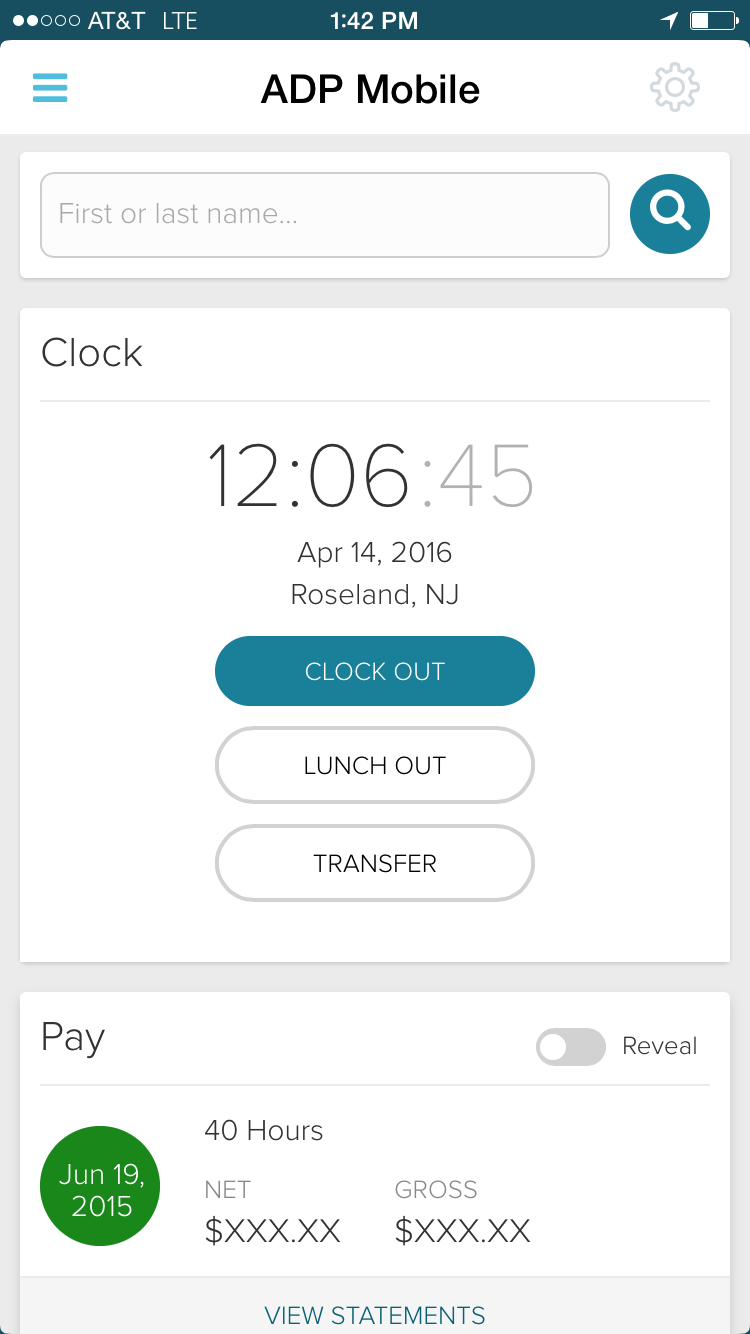
ADP Workforce Now is a cloud-based HR platform for mid-sized businesses. It features customizable modules of various HR services that businesses can tailor to their specific needs, as well as regulatory monitoring and alerts to help businesses remain compliant.
N/A
Oracle Fusion Cloud HCM
Score8.1 out of 10
N/A
Oracle Fusion Cloud HCM, or Oracle Taleo, is a cloud HCM solution with Talent Management solutions. Its talent management solution includes Recruiting, Onboarding, Learning, Career Development, Opportunity Marketplace, Performance Management, Compensation, Succession Planning, etc.
$4
Per Employee Per Month
Pricing
ADP Workforce Now
Oracle Fusion Cloud HCM
Editions & Modules
Essential
Contact sales team
Enhanced
Contact sales team
Complete
Contact sales team
HR Pro
Contact sales team
Payroll Essentials
Contact sales team
HR Plus
Contact sales team
Hiring Advantage
Contact sales team
Performance Plus
Contact sales team
Help Desk
$4.00
Per Employee Per Month
Talent Management
$10.00
Per Employee Per Month
Global HR
$15.00
Per Employee Per Month
Offerings
Pricing Offerings
ADP Workforce Now
Oracle Fusion Cloud HCM
Free Trial
No
No
Free/Freemium Version
No
No
Premium Consulting/Integration Services
Yes
Yes
Entry-level Setup Fee
Required
Required
Additional Details
Please contact ADP for a product demo and ask about a hands-on "test drive" of Workforce Now.
Contact Oracle HCM for detailed pricing information at +1.800.392.2999
Before ADP we outsourced our HR and Payroll functions and it was a mess. ADP was much better than nothing at the time. I wasn't here during the selection or implementation process but it didn't go well.
A de minimis incentive was given to thank the reviewer for their time. The incentive was not used to bias or drive a particular response, nor was the incentive contingent on a positive endorsement. More Info
A de minimis incentive was given to thank the reviewer for their time. The incentive was not used to bias or drive a particular response, nor was the incentive contingent on a positive endorsement. TR verified that a representative sample of customers was invited. More Info
A de minimis incentive was given to thank the reviewer for their time. The incentive was not used to bias or drive a particular response, nor was the incentive contingent on a positive endorsement. TR verified that a representative sample of customers was invited. More Info
A de minimis incentive was given to thank the reviewer for their time. The incentive was not used to bias or drive a particular response, nor was the incentive contingent on a positive endorsement. TR verified that a representative sample of customers was invited. More Info
Senior Telecommunications Engineer in Engineering at Ericsson (Telecommunications, 10,001+ employees)
Chose Oracle Fusion Cloud HCM
We also considered Workday HCM but in the end, we decided to go with Oracle HCM Cloud because it had more options and was easier to integrate with our existing programs. We are a very large organisation and Workday did not offer all the options that we need in order to run our …
A de minimis incentive was given to thank the reviewer for their time. The incentive was not used to bias or drive a particular response, nor was the incentive contingent on a positive endorsement. More Info
Verified User
Chose Oracle Fusion Cloud HCM
Oracle stacked up really well. We went with Oracle because we already have oracle database and use APEX to integrate to our web application. So we already have worked with oracle in the past and got a package deal. Also the stability of Oracle is really what we were also …
A de minimis incentive was given to thank the reviewer for their time. The incentive was not used to bias or drive a particular response, nor was the incentive contingent on a positive endorsement. More Info
During COVID, ADP Workforce Now was great about keeping up with changing laws and regulations. They built reports that helped us apply for PPP loans and then later apply for forgiveness. Webinars and other training avenues were well constructed, accurate, and informative. We were all at a loss together and having a partner who ensured the legal side was met was one less worry. They can easily do the day-to-day compliance and regulatory things. COVID highlighted how quickly it could be done.
A de minimis incentive was given to thank the reviewer for their time. The incentive was not used to bias or drive a particular response, nor was the incentive contingent on a positive endorsement. More Info
Oracle HCM is very much helpful and well suited in the recruitment and placement process and HR data. It makes it easier for HR in [organizations] to keep track of who is in and out of the [organization]. Improvement can be made by allowing employees to record their own data and update it as and when necessary without having to go through HR first.
A de minimis incentive was given to thank the reviewer for their time. The incentive was not used to bias or drive a particular response, nor was the incentive contingent on a positive endorsement. TR verified that a representative sample of customers was invited. More Info
A de minimis incentive was given to thank the reviewer for their time. The incentive was not used to bias or drive a particular response, nor was the incentive contingent on a positive endorsement. TR verified that a representative sample of customers was invited. More Info
A de minimis incentive was given to thank the reviewer for their time. The incentive was not used to bias or drive a particular response, nor was the incentive contingent on a positive endorsement. TR verified that a representative sample of customers was invited. More Info
A de minimis incentive was given to thank the reviewer for their time. The incentive was not used to bias or drive a particular response, nor was the incentive contingent on a positive endorsement. More Info
Government entities share data readily on applicants and HCM doesn't make it easy to have applications transferred between organizations. If applicants could apply once and send that application to multiple entities that would really make it more appealing to clients. This is a niche that is currently filled with NEOGOV, however Oracle's analytics are far superior to those in NEOGOV
There are no customizations allowed so clients need to work within the configuration standards or create a bolt on. Many times your greatest asset is also one of your biggest weaknesses.
Oracle is a large company and sometimes it can be hard to navigate the support matrix that they have set up. They also have tiers of support so you can pay more to get more, which isn't optimal from a customer point of view.
A de minimis incentive was given to thank the reviewer for their time. The incentive was not used to bias or drive a particular response, nor was the incentive contingent on a positive endorsement. More Info
The 12 primary users represent our core Human Resources, Payroll, and Finance operations teams. Within this group, HR managers use the platform to oversee employee lifecycle events, handle benefits administration, and process new-hire onboarding. The payroll specialists and finance staff manage bi-weekly payroll runs, direct deposits, tax compliance, and general ledger reporting. Additionally, a couple of operational team leads use administrative access to approve timesheets, track attendance, and monitor departmental PTO accruals.
Taleo does what we need it to do and based on the costs from both a time and money perspective, I don't see us changing anytime soon. If anything I think we will look to leverage the capabilities available that we may not already be using.
I would give it a 10 however I do not like when ADP does facelifts in Workforce Now which does not add any value other than having to relearn navigation. I am also not a big fan of being forced to refer to the Bridge. We have Google which gives the same results. If I understood the answer I would not contact our Account Rep.
A de minimis incentive was given to thank the reviewer for their time. The incentive was not used to bias or drive a particular response, nor was the incentive contingent on a positive endorsement. TR verified that a representative sample of customers was invited. More Info
After the initial training's, it was quite intuitive to use the application. The application is based upon best practices and the overall flows are quite logical. The train stop approach also ensures that users understand where they are in the process cycle. Also, the number of clicks have been greatly rationalized to ensure that there is more streamlined experience.
A de minimis incentive was given to thank the reviewer for their time. The incentive was not used to bias or drive a particular response, nor was the incentive contingent on a positive endorsement. TR verified that a representative sample of customers was invited. More Info
A de minimis incentive was given to thank the reviewer for their time. The incentive was not used to bias or drive a particular response, nor was the incentive contingent on a positive endorsement. More Info
It works well. However we recently discovered that it no longer is supported on Internet Explorer so we had to change the default browser for everyone in our organization to MS Edge.
A de minimis incentive was given to thank the reviewer for their time. The incentive was not used to bias or drive a particular response, nor was the incentive contingent on a positive endorsement. TR verified that a representative sample of customers was invited. More Info
Overall, I think the functionality of the program works pretty well. Sometimes, certain browsers do not work well for the policy function of ADP, but that is the only issue thus far
A de minimis incentive was given to thank the reviewer for their time. The incentive was not used to bias or drive a particular response, nor was the incentive contingent on a positive endorsement. More Info
A de minimis incentive was given to thank the reviewer for their time. The incentive was not used to bias or drive a particular response, nor was the incentive contingent on a positive endorsement. TR verified that a representative sample of customers was invited. More Info
this is my only down side of ADP, they dont transfer you around a lot (Good) and try to tackle the issue right there, but the english barrier is sometimes a huge brick that stands in the way, and can result in the wrong outcome. There has been times I have asked for someone else as I thought it was getting done wrong, and was still able to get the assistance I needed, just took me explaining it twice
A de minimis incentive was given to thank the reviewer for their time. The incentive was not used to bias or drive a particular response, nor was the incentive contingent on a positive endorsement. TR verified that a representative sample of customers was invited. More Info
The rating is based upon our current level of support. The overall experience has vastly changed since we moved into product paid support. 'Also, with Oracle going with the model of quarterly patches, it makes sense to have the product company provide support to the overall application thereby eliminating the problems of bugs.
A de minimis incentive was given to thank the reviewer for their time. The incentive was not used to bias or drive a particular response, nor was the incentive contingent on a positive endorsement. TR verified that a representative sample of customers was invited. More Info
In-person training was pretty good - I think this significantly depends on the trainer. Our trainer was really good and showed what ADP can do - but I know that all trainers are not the same - and this truly makes such as difference. Overall, our training went pretty well.
A de minimis incentive was given to thank the reviewer for their time. The incentive was not used to bias or drive a particular response, nor was the incentive contingent on a positive endorsement. More Info
At the time training was not as expansive as it is now. If it could go wrong it did for me so the process was difficult and lengthy. I needed to have more in person walkthroughs of things to ensure the transition was done correctly. Not sure what else I can say, we were part of the initial move to Workforce Now when it was introduced.
A de minimis incentive was given to thank the reviewer for their time. The incentive was not used to bias or drive a particular response, nor was the incentive contingent on a positive endorsement. TR verified that a representative sample of customers was invited. More Info
Either assign more than one specialist to the implementation process, or assign less clients to the implementation specialist. The process requires attention to detail and the ability to test and re-test as well as verify the information. It also requires a lot of back and forth between the client ant the implementation specialist, so they need to be readily available during the whole implementation process.
There is a lot of potential on Fusion. We have reaped about 10% of potential benefits. Especially on Workforce Intelligence, the opportunities are huge. The reason why we do not use the solution at its full potential is not in the product (which is simple and transparent). A roadmap is under construction to bring more of its potential to the end user.
A de minimis incentive was given to thank the reviewer for their time. The incentive was not used to bias or drive a particular response, nor was the incentive contingent on a positive endorsement. TR verified that a representative sample of customers was invited. More Info
They pale compared to ADP because they each have broken systems that do not flow from beginning to end. Another system is required to support all of the functions needed to process payroll. That puts too much on me, the person, instead of the system. We should work smarter, not harder.
A de minimis incentive was given to thank the reviewer for their time. The incentive was not used to bias or drive a particular response, nor was the incentive contingent on a positive endorsement. More Info
Firstly, create a template for the data of human resources to be filled by the client with help from us, then We transformed the paperwork, excel, word sheets, did data cleansing and refined the data, and matched data with the correct fields inside the template and imported the data to oracle cloud hcm by using human capital management data loader
A de minimis incentive was given to thank the reviewer for their time. The incentive was not used to bias or drive a particular response, nor was the incentive contingent on a positive endorsement. TR verified that a representative sample of customers was invited. More Info
We have been able to grow with ADP from just a few hundred employees to over 10,000 so it's actually very scalable for payroll usage. We do not use the benefits and onboarding offerings for most of our employees but they are built to scale easily enough for when our corporate team has over 1,000 FTE.
ADP WorkforceNow has provided a positive ROI for our company. It has saved me countless hours in the time I used to spend preparing reports, managing benefits, and annual enrollment, recruitment tracking, and much more.
The integration with Payscale has allowed our company to take every position in our organization and benchmark it to industries and job titles. This has allowed us to be more competitive on recruitment and retention.
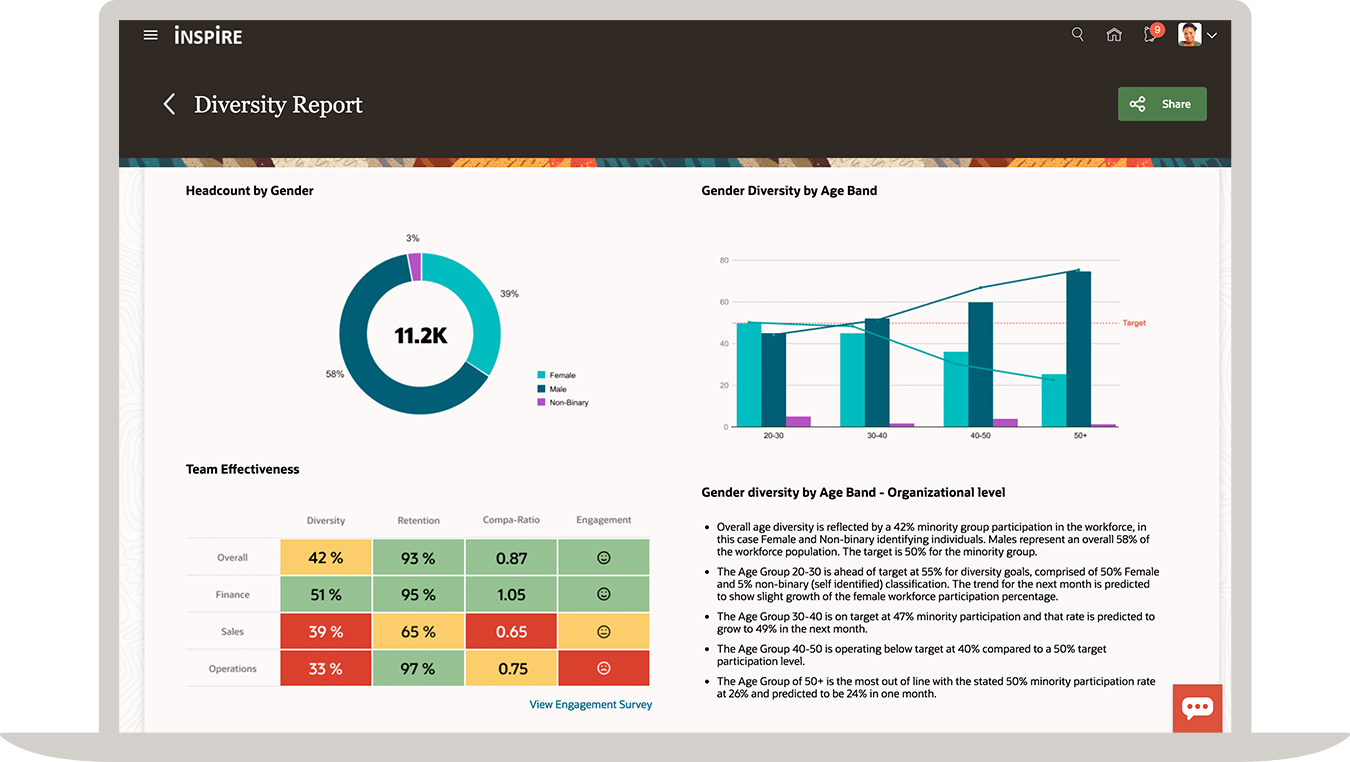
We have used the new DE&I dashboard to provide valuable information on the landscape of our workforce, as well as areas of our organization that may not be as diverse.
A de minimis incentive was given to thank the reviewer for their time. The incentive was not used to bias or drive a particular response, nor was the incentive contingent on a positive endorsement. More Info
We were not good at tracking any numbers around recruiting so now this last year we have been able to set the benchmark that we now can work toward improving.
At any given time, we could not say how many open positions we had. Now we are able to keep track of that.
We do a much better job with communicating with candidates now, especially the ones not selected. This will help us maintain a better reputation and attract the candidates back for other jobs they may be a better fit for in the future.