
Acoustic Content vs. Netlify CMS
Acoustic Content vs. Netlify CMS
| Product | Rating | Most Used By | Product Summary | Starting Price |
|---|---|---|---|---|
 Acoustic Content | N/A | Acoustic Content (formerly Watson Content Hub) gives business owners the power to create, robust and consistent brand experiences using cloud-based, cognitive content management capabilities. Marketing and merchandising professionals can quickly select content to create relevant offers delivered across multiple channels, such as mobile, web-based or email. Acoustic is an independent spun off from IBM Watson Marketing in 2019. | N/A | |
 Netlify CMS | N/A | Netlify CMS is an open source Git-based CMS for static site generators. it runs 100% in a browser. | N/A |
| Acoustic Content | Netlify CMS | |||||||||||||||
|---|---|---|---|---|---|---|---|---|---|---|---|---|---|---|---|---|
| Editions & Modules | No answers on this topic | No answers on this topic | ||||||||||||||
| Offerings |
| |||||||||||||||
| Entry-level Setup Fee | No setup fee | No setup fee | ||||||||||||||
| Additional Details | — | — | ||||||||||||||
| More Pricing Information | ||||||||||||||||
| Acoustic Content | Netlify CMS |
|---|
| Acoustic Content | Netlify CMS | |||||||||||||||||||||||||||
|---|---|---|---|---|---|---|---|---|---|---|---|---|---|---|---|---|---|---|---|---|---|---|---|---|---|---|---|---|
| Security |
| |||||||||||||||||||||||||||
| Platform & Infrastructure |
| |||||||||||||||||||||||||||
| Web Content Creation |
| |||||||||||||||||||||||||||
| Web Content Management |
|
| Acoustic Content | Netlify CMS | |
|---|---|---|
| Small Businesses |  ManageWP Score 10.0 out of 10 | ManageWP Score 10.0 out of 10 |
| Medium-sized Companies |  RWS Tridion Sites Score 9.0 out of 10 | RWS Tridion Sites Score 9.0 out of 10 |
| Enterprises | RWS Tridion Sites Score 9.0 out of 10 | RWS Tridion Sites Score 9.0 out of 10 |
| All Alternatives | View all alternatives | View all alternatives |
| Acoustic Content | Netlify CMS | |
|---|---|---|
| Likelihood to Recommend | 8.3 (0 ratings) | 9.0 (0 ratings) |
| Acoustic Content | Netlify CMS | |
|---|---|---|
| Likelihood to Recommend |
 Madusanka Balapitiya Senior Executive ( IT & Administration ) | 
 Mani Kumar Reddy Kancharla UI Developer |
| Pros |
|
Mani Kumar Reddy Kancharla UI Developer |
| Cons |
|
Mani Kumar Reddy Kancharla UI Developer |
| Alternatives Considered |
|
Mani Kumar Reddy Kancharla UI Developer |
| Return on Investment |
 Ben Williams Automation Developer (RPA and OCR Datacap) |
Mani Kumar Reddy Kancharla UI Developer |
| ScreenShots | Acoustic Content Screenshots  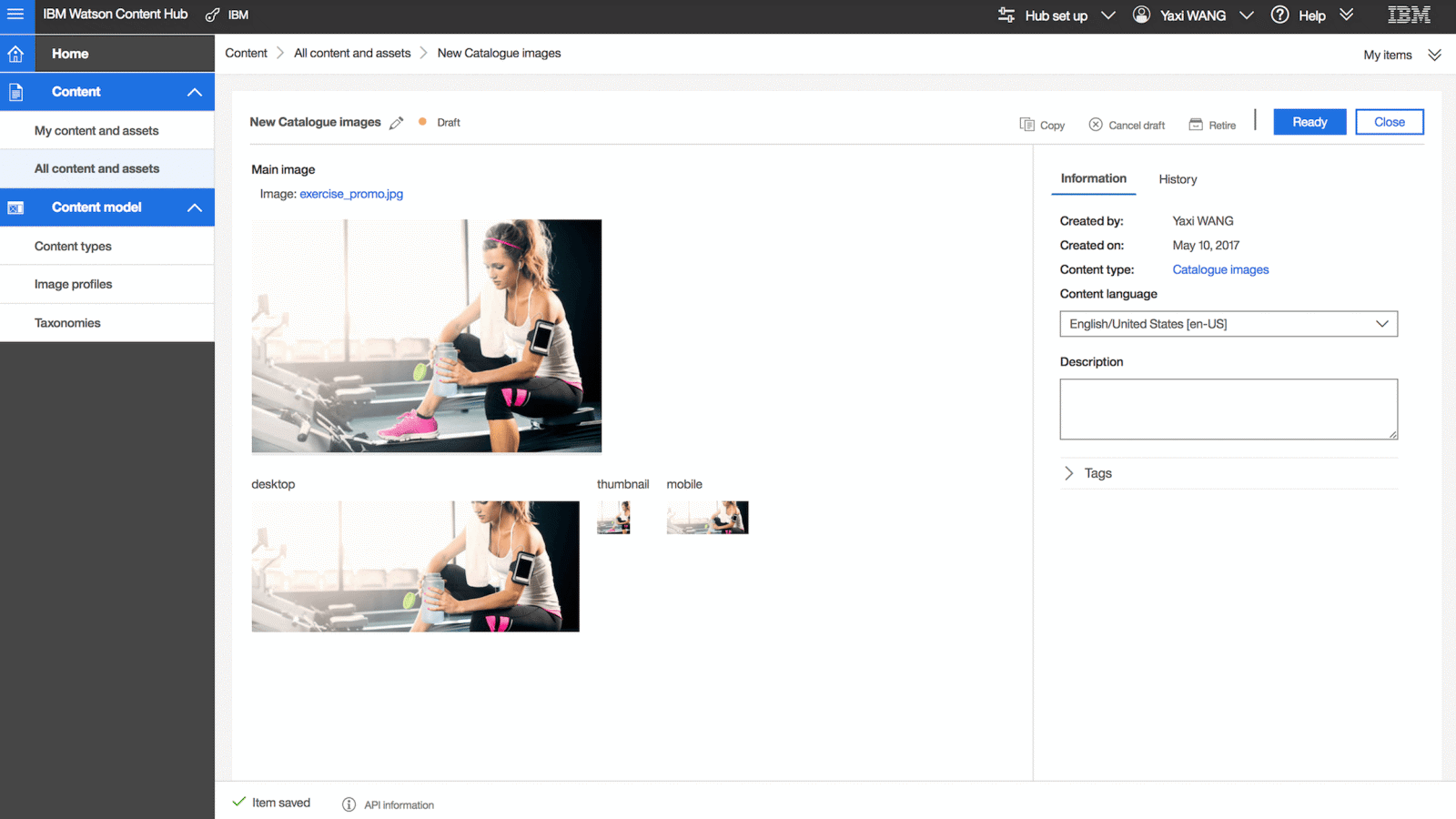 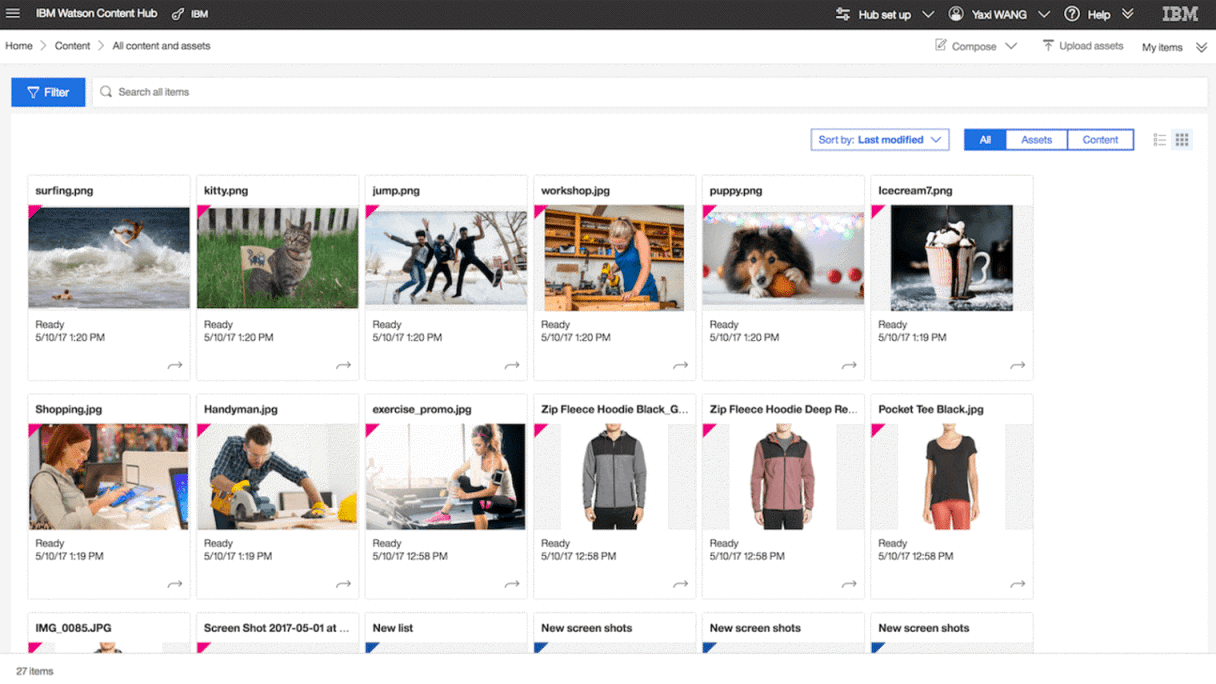 |